
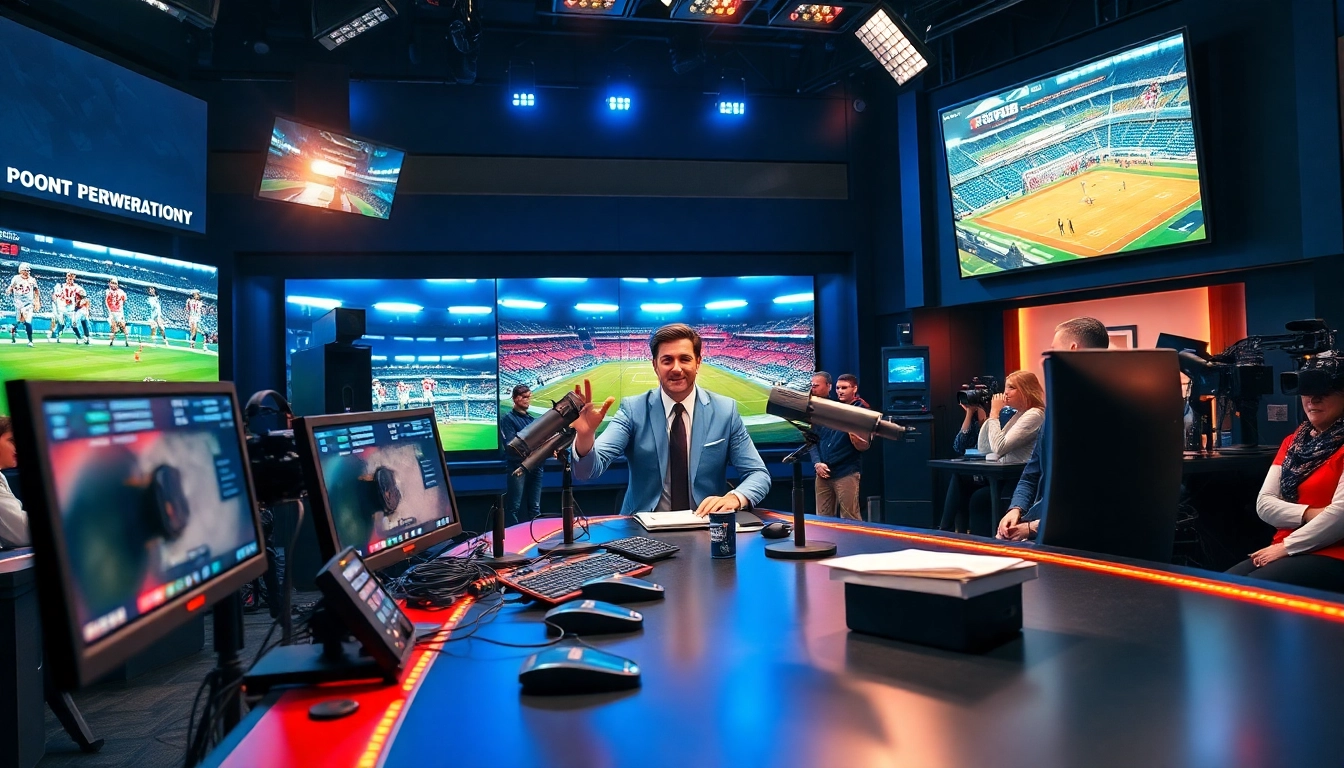
Understanding the Basics of Sports Broadcasting
What is Sports Broadcasting?
Sports broadcasting refers to the dissemination of sports content through various media channels. This includes television, radio, and digital platforms, providing audiences with live coverage, commentary, analysis, and highlights of sporting events. It serves as a bridge between sports organizations and fans, enhancing the overall fan experience and community engagement. Understanding the complexities and responsibilities involved in this field is essential for aspiring professionals. For more in-depth resources, consider exploring Sports Broadcasting further.
Key Roles in Sports Broadcasting
The sports broadcasting landscape is populated by various key players, each contributing unique skills and responsibilities. Here are some of the primary roles:
- Sportscasters: They deliver play-by-play commentary or analysis during broadcasts, bringing excitement and context to the viewer.
- Producers: They oversee the entire production, from planning coverage to managing technical aspects and ensuring that the broadcast runs smoothly.
- Camera Operators: They capture live footage, operating cameras according to the producer’s directions to deliver the best viewing experience.
- Editors: They work behind the scenes, piecing together footage for highlights, recap shows, and digital content.
- Research Team: Essential for providing accurate statistics and background information that enhance commentary and storytelling.
Essential Equipment for Sports Broadcasting
Successful sports broadcasting relies on high-quality equipment to capture, transmit, and present audio-visual content effectively. Here are the essentials:
- Cameras: High-definition cameras are critical for capturing every moment in detail. Multiple camera angles can provide varied perspectives of a live event.
- Microphones: Both handheld and lapel microphones are necessary for capturing clear audio from commentators and interviewees.
- Broadcast Software: Software for streaming and editing is crucial for production and distribution across platforms.
- Graphics Software: This allows for the insertion of real-time statistics and branding elements during a broadcast.
- Transmission Equipment: Reliable transmission equipment ensures that content reaches viewers without interruption.
Developing Sports Broadcasting Skills
Voice Modulation and Presentation Techniques
Voice modulation is an important skill for sports broadcasters as it helps in conveying excitement and maintaining audience interest. Here are some techniques to enhance voice modulation:
- Practice Pitch Variation: Altering pitch can signal important moments, making commentary more engaging.
- Control Pace: Adjusting speed during commentary can build suspense or convey urgency, impacting viewer experience.
- Articulate Clearly: Clear pronunciation ensures that information is communicated effectively, preventing misunderstandings.
Research and Preparation for Coverage
Thorough research is foundational to effective sports broadcasting. A well-prepared broadcaster understands the teams, players, rules, and statistics relevant to the event being covered. Strategies include:
- Study Game Rules: Familiarity with the nuances of the sport is critical for accurate commentary.
- Gather Player Statistics: Knowledge of player performance and history builds credibility with the audience.
- Follow Recent Developments: Keeping track of recent changes in teams or injuries can provide up-to-date insights for commentary.
Interviewing Techniques for Broadcasters
Conducting interviews is a key aspect of sports broadcasting. Effective interviewing can enhance narratives and offer deeper insights. Some useful techniques include:
- Prepare Open-Ended Questions: These foster discussion and elicit more comprehensive responses.
- Establish Rapport: Building a connection with the interviewee can lead to more candid and engaging conversations.
- Listen Actively: Demonstrating active listening encourages interviewees to elaborate and share valuable insights.
Innovations in Sports Broadcasting
Emerging Technologies Impacting Sports Broadcasting
Technological advancements are rapidly transforming sports broadcasting, creating new possibilities and enhancing viewer experience. Here are some key innovations:
- Virtual Reality: VR allows fans to experience events from unique perspectives, making them feel like they're part of the action.
- 360-Degree Cameras: These cameras offer immersive viewing experiences by capturing all angles of an event.
- Artificial Intelligence: AI analytics provide insights into player performance and game strategies, improving commentary quality.
The Role of Social Media in Broadcasting
Social media plays a vital role in sports broadcasting, serving as both a platform for engagement and a source of real-time information. Key aspects include:
- Live Updates: Organizations use social media to provide instant news and updates during events, enhancing the fan experience.
- Fan Interaction: Engaging with fans via social media creates a sense of community, promoting loyalty and interaction.
- Content Distribution: Highlights and commentary snippets posted on social platforms broaden reach beyond traditional broadcasting.
Data Analytics in Sports Broadcasting
Data analytics is revolutionizing the way sports are discussed and analyzed. Broadcasters are leveraging data to provide deeper insights and enhance storytelling. Important points include:
- Performance Metrics: Analyzing player and team statistics in real-time allows for more informed commentary.
- Predictive Analytics: These models can help predict outcomes and trends, giving audiences more context about games.
- Audience Insights: Understanding viewer demographics enables broadcasters to tailor content for better engagement.
Challenges in Sports Broadcasting
Dealing with Technical Difficulties
Technical glitches can disrupt broadcasts and diminish viewer experience. Broadcasters should prepare for potential issues by ensuring:
- Robust Equipment: Invest in reliable technology to minimize risks of malfunction during live events.
- Backup Plans: Have contingency plans ready, including alternative feeds or pre-recorded content.
- Regular Testing: Conduct tests on equipment and connections before broadcasts to identify potential problems.
Managing Audience Engagement
Keeping the audience engaged during broadcasts is crucial for success. Strategies include:
- Interactive Content: Involve viewers with polls, quizzes, and live chats to foster interaction.
- Dynamic Commentary: Use enthusiastic commentary and storytelling to hold viewer attention.
- Promote Discussion: Encourage fans to share their thoughts on social media to create a community around the broadcast.
Adhering to Broadcast Regulations
Sports broadcasters must navigate various regulations governing content and transmission. Key considerations include:
- Licensing Agreements: Ensure compliance with licensing requirements to avoid legal issues.
- Content Guidelines: Adhere to broadcasting standards, particularly concerning sensitive content and copyright.
- Independence: Maintain integrity in reporting to safeguard against biases that could affect content delivery.
Measuring Success in Sports Broadcasting
Key Performance Indicators
Measuring success in sports broadcasting requires tracking various performance indicators. Some important KPIs include:
- Viewership Ratings: Monitor the number of viewers during broadcasts to assess popularity.
- Engagement Metrics: Analyze social media interactions, comments, and shares to evaluate audience response.
- Advertising Revenue: Tracking advertising income can indicate the financial health of broadcasting operations.
Feedback Mechanisms from Viewers
Gathering viewer feedback is essential for continuous improvement. Effective methods include:
- Surveys: Conduct post-broadcast surveys to collect viewer opinions and suggestions for improvement.
- Social Media Monitoring: Actively track comments and feedback on social media to understand audience sentiment.
- Focus Groups: Organize discussions with dedicated viewers to gain detailed insights into viewer preferences.
Continuous Improvement and Training
To keep pace with the evolving landscape of sports broadcasting, ongoing training and development are vital. Key strategies include:
- Workshops and Seminars: Encourage participation in relevant workshops to stay updated with industry trends.
- Networking: Build relationships with industry professionals to exchange knowledge and best practices.
- Self-Evaluation: Regularly assess performance, identifying areas for personal growth and improvement.
FAQs about Sports Broadcasting
What are the different types of sports broadcasting?
Sports broadcasting includes live game coverage, pre- and post-game shows, highlight reels, and analysis programs, among others.
How important is voice quality in sports broadcasting?
Voice quality is crucial as it enhances the portrayal of excitement and clarity, drawing viewers into the experience.
What role does social media play in sports broadcasting?
Social media enhances viewer engagement, provides real-time updates, and serves as a platform for sharing highlights and discussions.
How can I get started in sports broadcasting?
Start by gaining experience through internships, volunteering at local stations, and practicing with audio-visual equipment to build skills.
What types of training are beneficial for sports broadcasters?
Training in voice modulation, interview techniques, production skills, and understanding statistics is highly beneficial for sports broadcasters.