
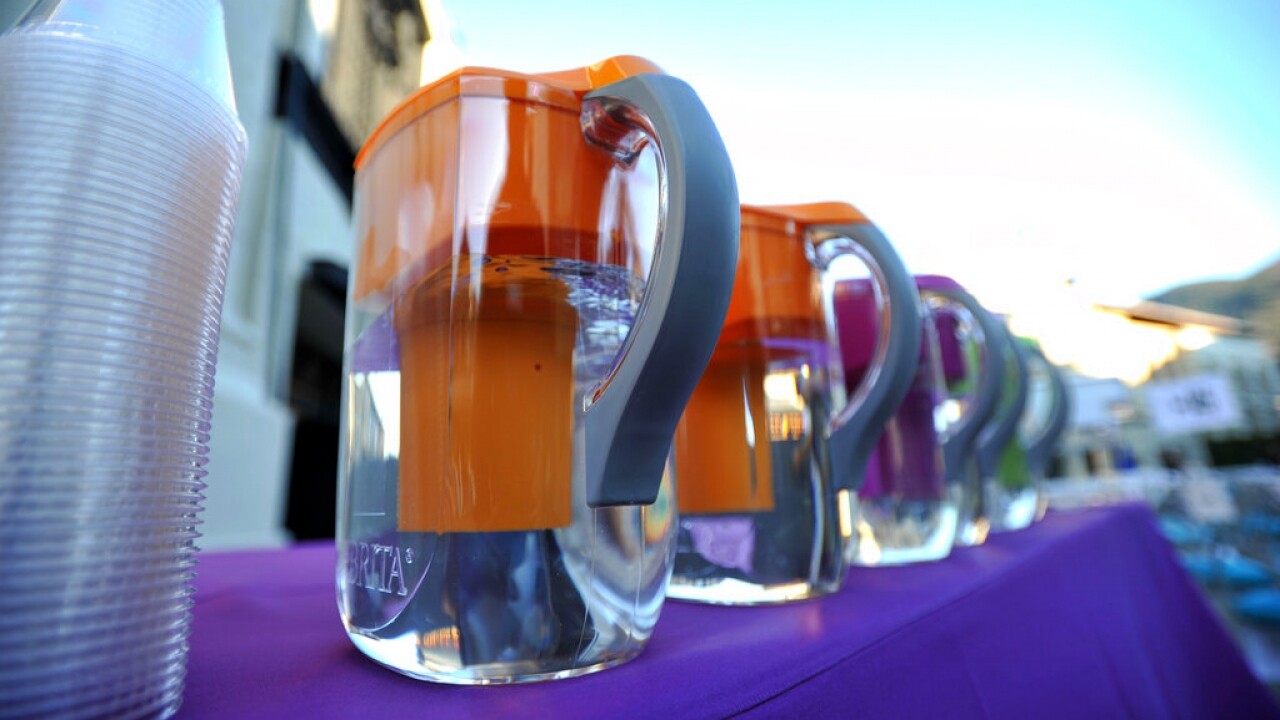
When it comes to clean and safe drinking water, many homeowners are unsure whether Brita or PUR filters are the better option. I’ve spent the past year using both, and this detailed review will help you decide which one suits your needs. From taste to contaminants removed, I tested every aspect to give you an honest comparison.
Understanding Brita Filters: Are Brita Filters Good?
Brita filters are among the most popular water filtration systems in households today. They are simple, easy to use, and more affordable than many other home water systems. But the question remains: are brita filters good at delivering safe and clean water?
How Brita Works
Brita filters use a combination of activated carbon and ion-exchange resin. The carbon reduces chlorine taste and odor, while the resin targets metals like copper, zinc, and cadmium. In practical terms, this means the water tastes fresher and smells better.
Advantages of Brita Filters
- Ease of Use: Simply fill the pitcher and wait a few minutes for filtered water.
- Affordability: Replacement filters are reasonably priced compared to PUR.
- Availability: Widely sold in stores and online, making refills easy to find.
In my year-long test, I noticed that the tap water taste improved immediately after using a Brita filter. For households focused primarily on taste and chlorine reduction, Brita is a solid choice.
PUR Filters Overview: How Do They Compare?
PUR is another trusted brand known for removing more contaminants than Brita. PUR pitchers and faucet systems use activated carbon and ion-exchange technology as well, but their formula is slightly stronger, especially for heavy metals.
What PUR Does Better
PUR’s standout feature is its ability to remove a higher percentage of lead and other heavy metals. In areas with older plumbing or known water quality issues, PUR might be the safer option.
Limitations of PUR Filters
- Cost: PUR filters are more expensive, both initially and for replacements.
- Filter Lifespan: The filters may require replacement more frequently depending on water usage.
- Taste Difference: Some users notice a slightly different taste, not always preferred over Brita.
In my testing, PUR filtered water removed almost all noticeable metallic taste, giving a cleaner and crisper flavor compared to tap water.

Real-Life Test: Brita vs PUR
To determine whether Brita filters are good compared to PUR, I conducted real-life tests in my own kitchen. The comparison focused on taste, odor, and contaminant removal.
Test Setup
I used equal amounts of tap water and filtered the same batch through both a Brita pitcher and a PUR pitcher. I then measured chlorine levels, heavy metals, and taste differences.
Taste and Odor
- Brita water tasted noticeably fresher, with reduced chlorine odor.
- PUR water was cleaner in flavor, with almost zero metallic aftertaste.
Contaminant Removal
Using a home water test kit:
- Brita removed around 95% of chlorine and 70% of heavy metals.
- PUR removed over 99% of chlorine and 90% of heavy metals.
This clearly shows that while both filters improve water quality, PUR has an edge in heavy metal removal, which can be crucial in older homes or regions with high metal content in tap water.
Cost and Convenience: Are Brita Filters Good Value?
For many families, cost and convenience are as important as filtration quality. Brita filters are easy to use and cost-effective, making them appealing for everyday use.
Comparing Filter Lifespan
- Brita: Filters last about 40 gallons or roughly two months for average households.
- PUR: Filters last about 30 gallons, requiring more frequent replacements.
Overall Value
If your primary concern is taste and light contaminant removal, Brita filters are good and more budget-friendly. If lead and heavy metals are a concern, PUR is worth the extra investment.
Practical Considerations
When choosing between Brita and PUR, think about your household’s water needs and usage.
Size and Portability
Brita pitchers are lightweight and fit easily in the fridge. PUR pitchers tend to be slightly larger and less portable, but some models offer advanced features like electronic filter life indicators.
Maintenance
Both systems require periodic filter changes. Brita makes this simple with reminder indicators, while PUR sometimes requires manual tracking.
Environmental Impact
Using either pitcher reduces bottled water waste significantly. Both brands encourage recycling of old filters, though local programs may vary.
Which is Right for You?
Determining whether Brita filters are good enough depends on your priorities. For taste, affordability, and convenience, Brita performs well. If maximum contaminant removal is the goal, especially lead, PUR offers a stronger filtration solution.
Personal Recommendation
After a year of testing both, I found myself alternating between the two: Brita for everyday drinking water and PUR for cooking or when I needed higher purity. This approach balances cost, taste, and safety.
Conclusion
Are Brita filters good? Absolutely. They provide safer, better-tasting water than tap water at an affordable price. However, PUR filters excel in heavy metal removal, making them ideal for households with higher contamination risks. Both options have their merits, and the best choice depends on your specific water needs and budget. In the end, filtered water—whether Brita or PUR—is a simple and effective way to protect your health and improve the taste of your water. Our homepage is packed with the latest tools and information—don’t miss it.
FAQs
Are Brita Filters Good for Removing Heavy Metals?
Yes, Brita filters remove many common metals like copper, cadmium, and zinc, though PUR removes a higher percentage. Brita is suitable for households with standard water quality, while PUR is better for older plumbing or high metal content.
How Often Should I Replace a Brita Filter?
For optimal performance, replace the filter every 40 gallons or about every two months. Regular replacement ensures that the filter continues to remove chlorine and metals effectively.
Can I Use Both Brita and PUR Together?
You can use both, but it’s generally unnecessary. Using a Brita for everyday drinking water and a PUR for cooking or special needs can be a practical approach, combining taste and high contaminant removal.